

Hardened Infrastructure
Don’t let your server be an easy target. Our security blueprints go beyond basics, providing repeatable, automated controls to lock down your VPS from Day One.
Stop struggling with complex setups. Master your infrastructure with our battle-tested, no-fluff VPS hosting tutorials designed to help you harden, optimize, and scale your Linux servers with confidence.
Don’t let your server be an easy target. Our security blueprints go beyond basics, providing repeatable, automated controls to lock down your VPS from Day One.
Shift from local development to production with confidence. We provide the workflows and rollback strategies necessary to keep your services online, regardless of scale.
Visibility is your best defense. We teach you how to set up intelligent observability stacks that alert you to bottlenecks before they become outages.
Showing all 5 guides.
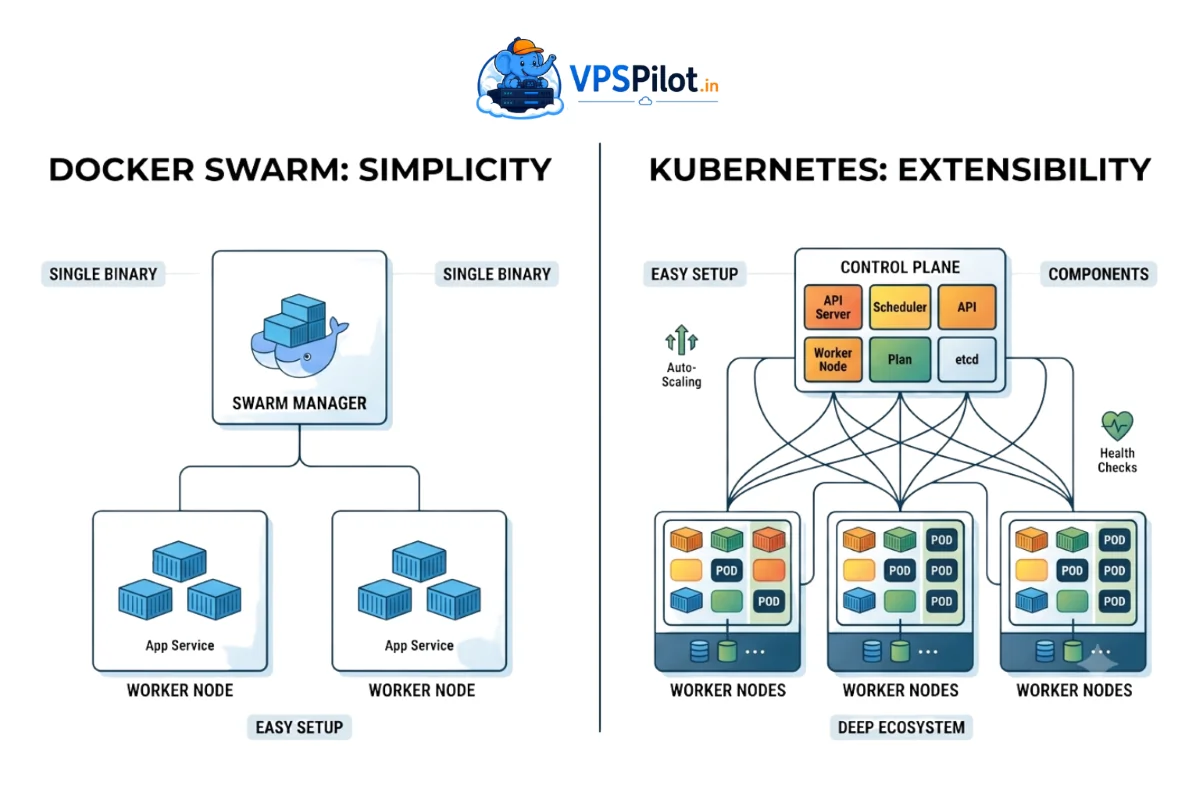
In the evolving landscape of container orchestration, small businesses often face a pivotal decision - how to scale their deployments without drowning in operational complexity. While Kubernetes has become the industry-standard.
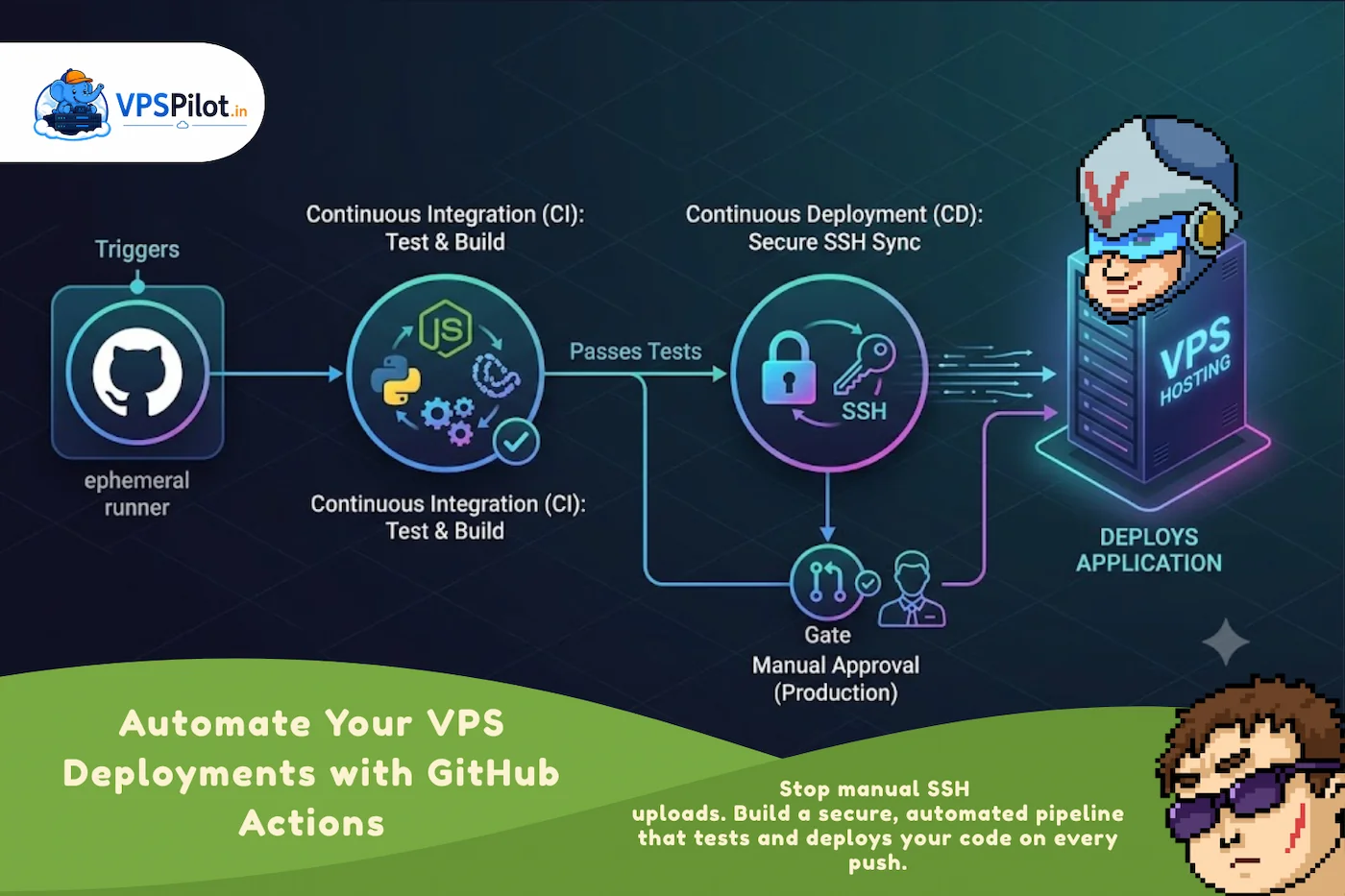
Manual deployment—SSHing into a server, pulling code, and restarting services—is a ritual that invites human error. As your project grows, this process becomes a bottleneck. Building a Continuous Integration (CI) and Continuous Deployment (CD) pipeline using GitHub Actions.
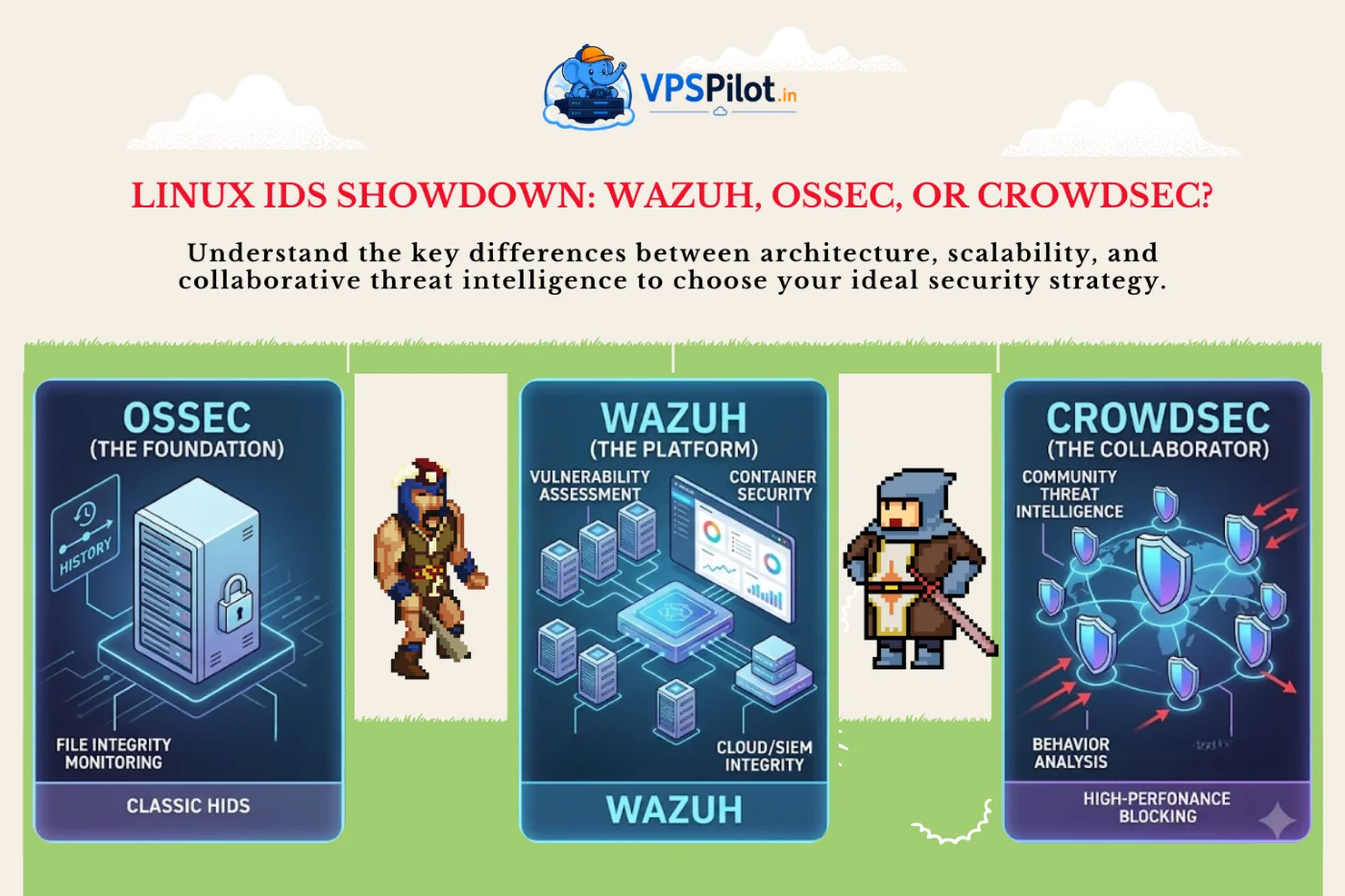
Securing a Linux server involves more than just setting up a firewall. As threats become more sophisticated, administrators must implement robust Intrusion Detection Systems (IDS) to monitor for unauthorized access, malicious file changes, and abnormal system behavior.
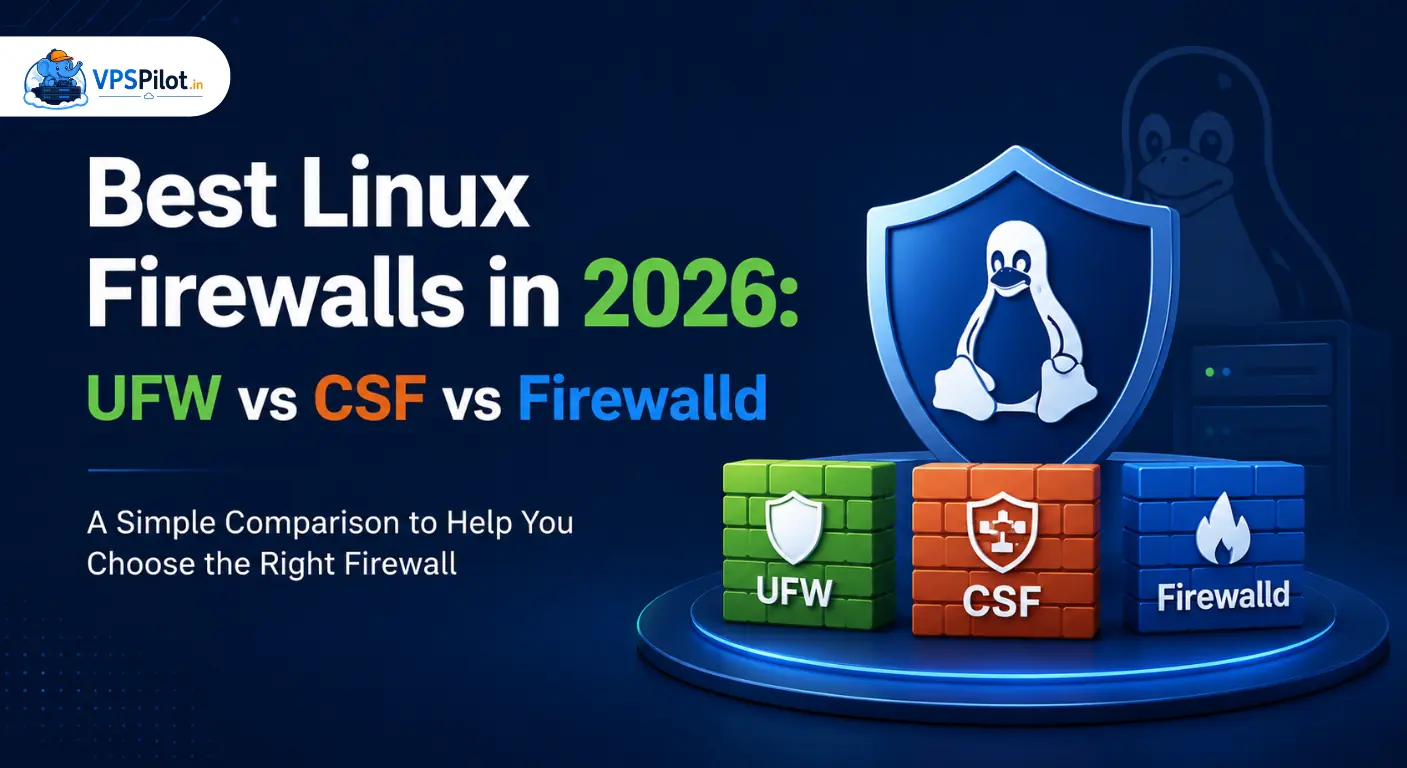
In 2026, securing your Linux infrastructure requires more than just a basic firewall; it requires an intelligent, integrated approach to network perimeter defense. While the Linux kernel’s underlying engine has standardized on nftables.
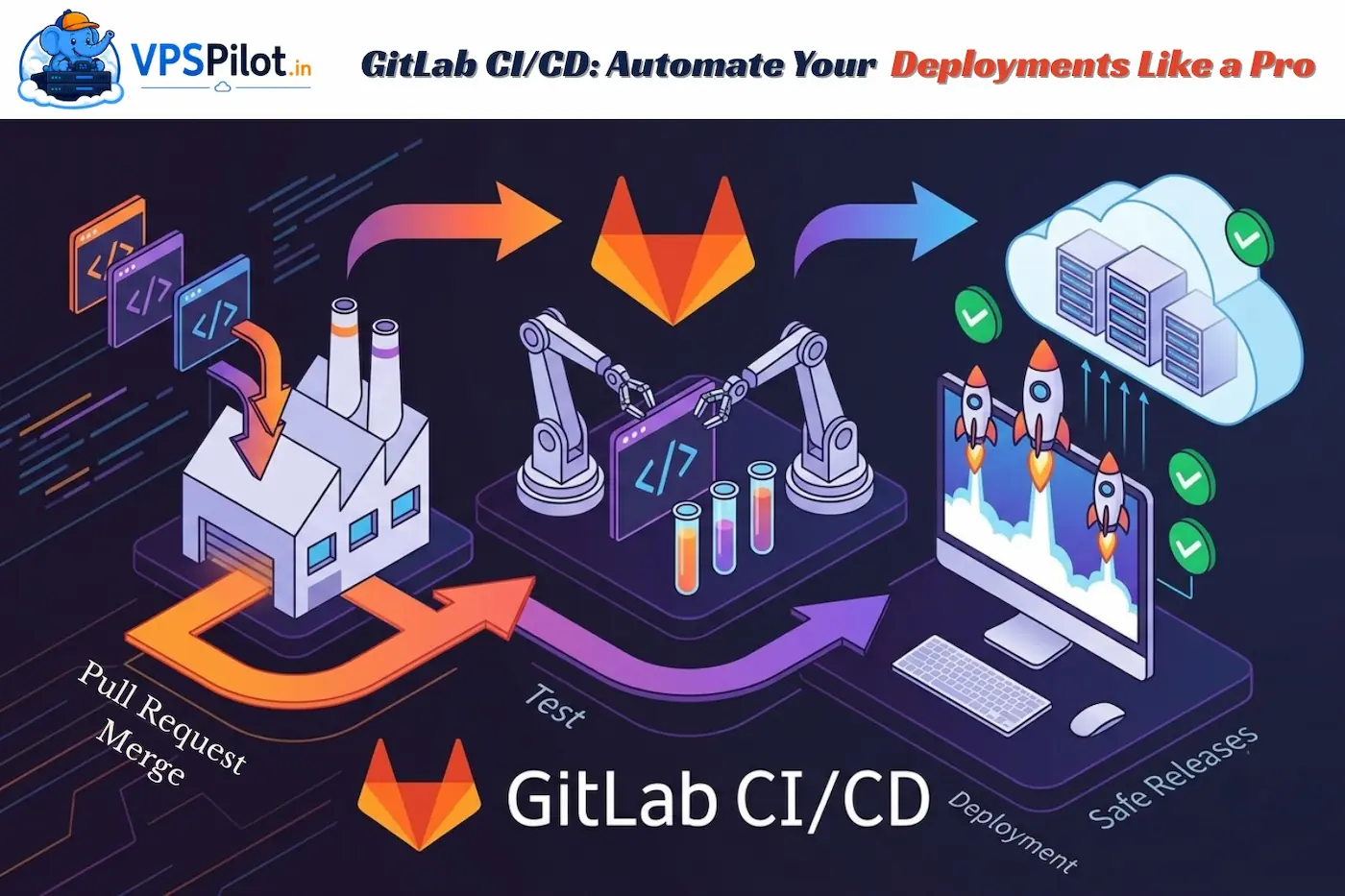
In modern software development, the gap between writing code and delivering it to users must be as small as possible. Manual deployments are the enemy of speed, consistency, and reliability. They introduce human error, create bottlenecks, and make it difficult to scale.
No guides match this search and category combination. Try clearing one filter.